The Gifts That Say "I See You" (And Why That Matters More Than You Think)
July 18, 2026
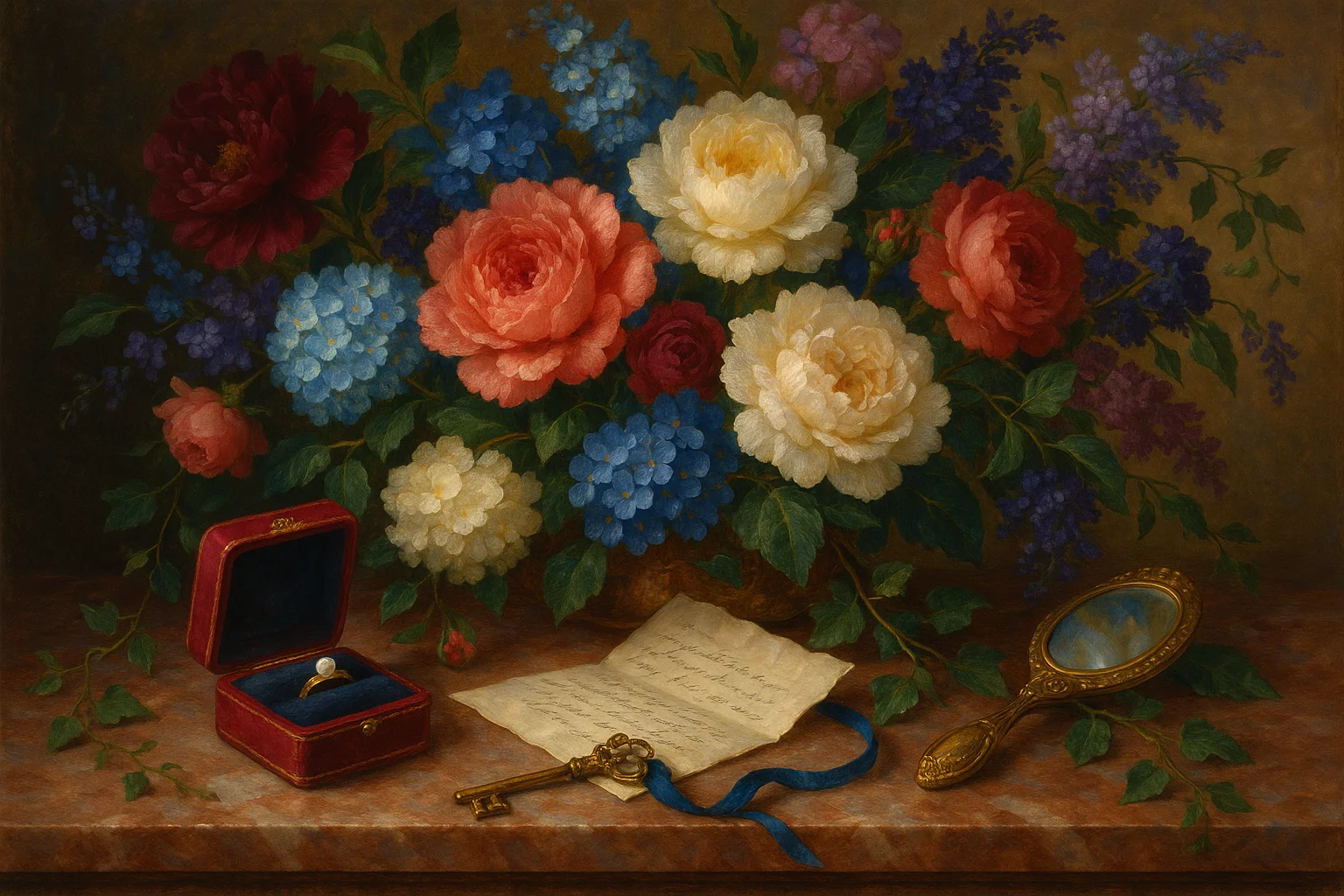
There are two completely different kinds of gifts, and most people don't know it. One kind says "I thought of you." The other kind says "I understand you." They look similar from the outside, and they're often wrapped the same way. But they feel wildly different when you receive them, and almost nobody ever explains why.
The first kind is pleasant. You smile, you say thank you, you appreciate the gesture, and you set the gift aside. The second kind makes something happen in your chest. Sometimes tears show up unexpectedly. Sometimes you carry the object around for a while, turning it over, not quite sure what to do with the feeling. You remember the second kind for years. You forget the first kind by Wednesday.
The second kind is what people mean when they talk about gifts that say "I see you." It's worth understanding why they work, because once you do, you can give them to the people you love, and that turns out to be one of the most important things you can do for another human.
The Difference Between Being Thought Of and Being Known
Humans have two related but distinct needs that often get lumped together.
The first is the need to be thought of. To be remembered, included, not forgotten. This is the basic social need. When someone buys you a present on your birthday, they're meeting this need. You were on their mental map. They took an action because of it. Good. This is real and it matters.
The second is the need to be known. To have someone understand who you are under the surface. Not just your preferences, but the reasons for your preferences. Not just what you do, but why you do it. To be accurately described by someone else in language you recognize.
These needs are related but they are not the same, and meeting one does not automatically meet the other. You can be thought of constantly by people who don't know you. You can be deeply known by one or two people who never happen to send you flowers. Most of us get more of the first need met than the second, and we walk around with a quiet hunger we can't quite identify.
When a gift lands on the second need, the one for being known, it hits something most of us are secretly starving for. That's why those gifts do something the other kind can't.
Why This Is Rarer Than It Should Be
We don't give "I see you" gifts very often, and it's worth knowing why. It's not because people are bad at loving each other. It's because this kind of gift requires a specific kind of attention that modern life actively works against.
To give a gift that says "I see you," you have to have been paying attention over time. You have to have noticed small things, stored them, and then connected them when the occasion came. This is not a thing you can do in an Amazon checkout. It requires the slow accumulation of knowledge about another person, which requires presence, which requires hours spent with them without distractions.
Most of us don't spend those hours anymore, even with people we love. We spend them in a half-present state, with our phones nearby, running half a dozen other mental tasks. You can't learn someone accurately while you're doing six other things. And if you haven't learned them accurately, you can't give a gift that shows you did.
This is a design problem of modern life, not a failure of individual love. The good news is that once you notice it, you can work against it on purpose.
What Actually Makes a Gift Say "I See You"
Four qualities, usually all of them together.
Specificity
The gift has to be specific to this person, not to their general category. Not "a thing introverts like," but "a thing you'd like, because of the specific version of introverted you are." The more specific, the more the gift testifies to your attention.
A generic scented candle says almost nothing. A candle in a scent that reminds them of the one summer they visited their grandmother, because you remember them mentioning it once, says a lot. Same object, completely different message.
Evidence of Memory
The gift should contain some evidence that you remembered something the recipient didn't explicitly ask you to remember. An offhand comment they made months ago. A thing they mentioned wanting to do. A place they talked about. A book they liked, or a kind of food they always order, or a topic that makes their eyes light up.
The evidence is the message. It tells them you were listening when they didn't think it mattered. And there is something profoundly moving about being listened to when you thought you were just talking.
A Reading of Who They Are
The gift has to reflect a reading of the person, not just a catalog of their preferences. There's a difference between knowing what someone likes and knowing who they are, and the second one is what "I see you" gifts tap into.
If your friend is someone who collects beautiful objects for her desk because she likes having her workspace feel like a small sanctuary, a desk object chosen with that in mind isn't just a pretty thing. It's an acknowledgment of a whole pattern of who she is. It reads her. That reading is the gift.
A Little Bit of Risk
The best "I see you" gifts have a tiny element of risk. You're not playing it safe with a neutral choice. You're committing to an interpretation of who the person is, and the gift says, "Here is who I think you are. Here is what I think you'd love."
If you're wrong, the gift misses. That risk is part of why it lands when you're right. The recipient can feel that you made a specific claim about them. They can feel you stepping out and saying "I know you this well." That's a kind of love, translated into an object.
Concrete Examples That Work
Let's get specific. Here are some patterns of gifts that tend to land in the "I see you" category.
A hand-written letter describing who this person is to you. I know, I keep coming back to this one, because it just works. A real letter, written in your own words, describing the specific way this person has affected your life. Not a card. A letter. Three paragraphs minimum. Tell them what you've noticed about them that they may not know you've noticed. Tell them what you're grateful for. Tell them who they are to you, in your honest voice. These letters get saved. They get read at important moments. They become heirlooms.
A photograph of something they mentioned in passing. You walk past something that reminds you of them and take a picture. Maybe it's a bookstore in a city you're visiting. Maybe it's a patch of flowers that reminds you of their grandmother's garden. Maybe it's a window with strange light. You print it, frame it, and give it to them with a sentence about why you thought of them. This is almost always the cheapest meaningful gift available, and it often lands harder than anything else in the room.
An object from a specific memory you share. A stone from a beach you walked together. A book from a shop where you spent an afternoon together. A plant descended from one they once admired in your house. The object is almost irrelevant. The reference is the gift.
A book chosen specifically for what they're wrestling with right now. This requires that you know what they're wrestling with, which is most of the work. If you know, the book almost picks itself. If you don't know, ask about their life before you shop.
A protected chunk of your own time. Tell them you've cleared an afternoon or an evening, and it's theirs. No phones, no agenda, no interruptions. You'll do whatever they want, or nothing at all. For the busy person, this is a kind of gift almost no one gives, and it feels radical in its generosity.
A personalized book about who they are. A document actually written about them, not a product with their name inserted. This category is relatively new for most people. A real one, based on an actual assessment of their personality, reads like a long, patient observation of who they are. The recipient opens it and finds themselves described in language they've never used but completely recognize. This is one of the gifts we make at Inkli, though the category exists elsewhere too. The gift is the experience of being described accurately, which is rare.
Why This Matters More Than We Admit
Here's the thing nobody says out loud. A lot of people go through life with a quiet ache that they're not quite known, even by people who love them. The people who love them do love them. They just haven't had the time, or the practice, or the quiet focus it takes to see them clearly.
A gift that says "I see you" closes that gap for a moment. It tells the recipient that somebody got it right. Somebody looked carefully and understood who they were. That experience of being understood is a specific kind of relief that's hard to describe and almost impossible to forget.
This is why certain gifts outlive their occasion. The letter from your grandmother that you still have in a drawer. The small object on your desk that a specific person gave you ten years ago. The book you were given when you were struggling through a hard year. These things aren't precious because they were expensive. They're precious because they carried the message that somebody saw you, and you have been carrying that message around ever since.
The Small Habit That Makes It Easier
If you want to get better at giving these kinds of gifts, there's one habit that helps more than anything else. Start a short list for the people you love most. Anytime they say something about themselves, something they wish they had time for, something they've been thinking about, something that makes their eyes light up, write it down. A sentence. That's all.
The list doesn't have to be fancy. It can live in your phone. But a few weeks before their birthday or a holiday, you read through the list, and a gift almost always appears on its own. You didn't have to think hard. You just had to have paid attention on purpose.
This small habit makes you a much better friend, partner, child, sibling, or parent. It also makes you feel better, because you're closer to the people you love when you're genuinely tracking who they are. Paying attention on purpose is its own small reward, long before the gift-giving comes around.
What Gifts Are Really For
At the end of the year, or at the end of a life, most people don't remember most of the objects they were given. They remember a few. The few they remember are the ones that said something true about them. Those gifts end up meaning more than every other gift combined, because they told the recipient something they needed to know.
That you were seen. That somebody took you seriously. That you were worth the trouble of being understood. Those are the gifts that matter, and they're the ones worth learning to give, because they're the closest thing we have to handing another person the feeling of being loved exactly for who they are.