Why a Personalized Book Is the Most Thoughtful Gift You Can Give
June 2, 2026
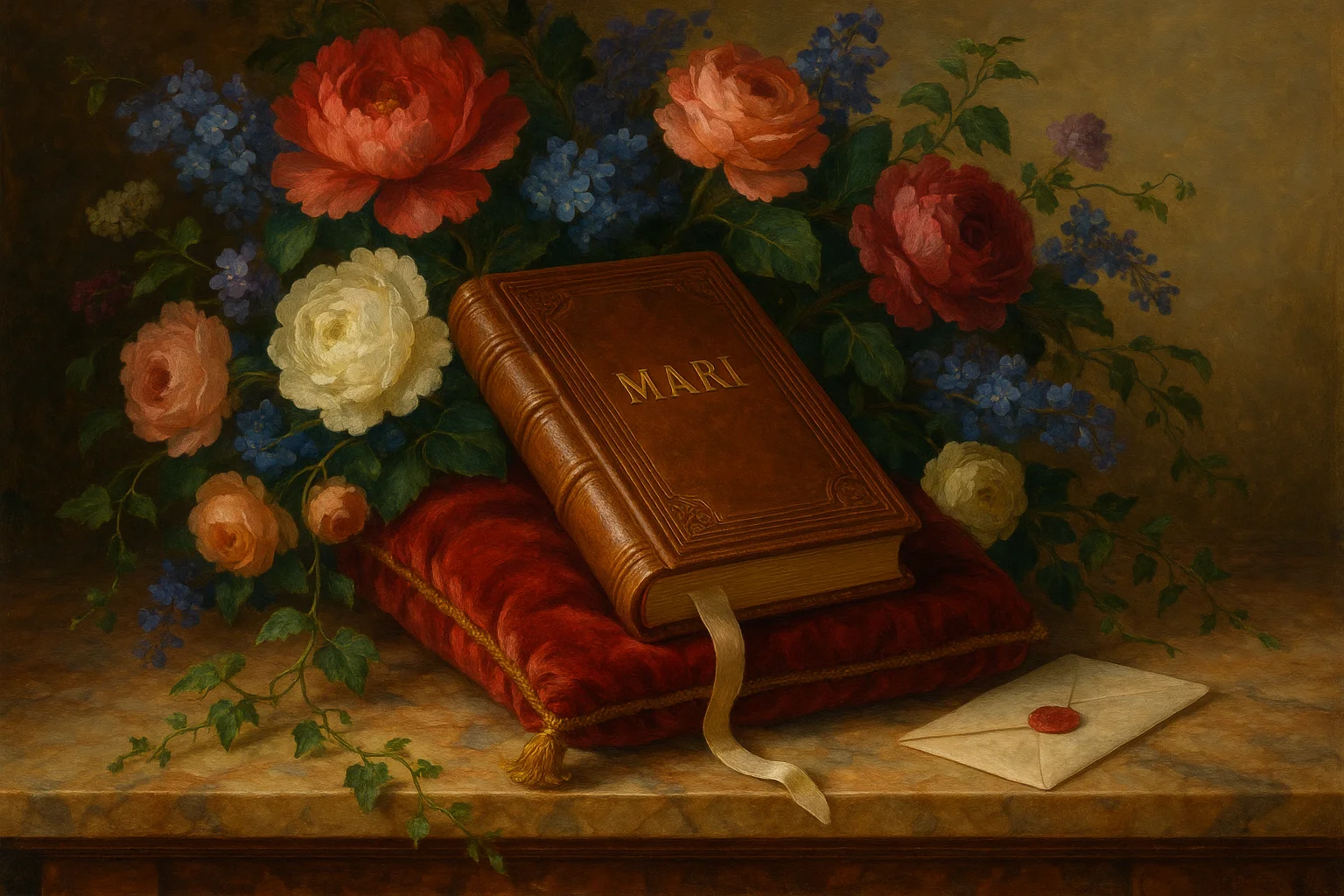
There's a specific feeling that comes from receiving something made for exactly you. Not adapted for you. Not a nice thing you happened to want. Made for you. Most adults have had this feeling maybe three or four times in their whole lives, which is a shame, because it's one of the best feelings available to humans.
If you want to understand why a personalized book lands the way it does, you have to understand that feeling first. Because the book is really just a container for it.
The Quiet Need to Be Known
Humans have a need that almost nobody talks about directly. We need to be known. Not known about, which is something else entirely. Not seen in the vague social-media sense. Actually known, by someone who has paid enough attention to understand who we are under our presentations.
This need doesn't go away when we grow up. It intensifies. Children get to be known by default, because the adults in their lives are paying close attention to them. Adults often go years without being truly known by anyone, because adult life is busy, and most of our interactions are functional, and even the people who love us are often too occupied with their own lives to do the patient observation that real knowing requires.
When a gift says "I know you," it hits a need most people didn't even realize they still had. It's why the best gifts often make people cry a little, while expensive gifts don't. Expensive is about the money. Known is about something older and much more important.
Why Objects Usually Fail at This
Most objects can't carry that message. They just can't. A sweater doesn't say "I know you" unless the sweater is very specifically tailored to things the recipient cares about, and even then, the message is faint. A fancy candle doesn't say it. A kitchen gadget definitely doesn't.
Objects tend to say "I thought of you," which is nice but different. "I thought of you" means you were remembered. "I know you" means you were understood. These are not the same feeling.
A few kinds of objects do manage to carry the deeper message. A book chosen specifically because the giver knew the recipient was wrestling with a certain question. A letter written with real attention. A photograph from a moment the giver remembered that the recipient had forgotten. Objects that contain information about the recipient, information the recipient themselves gave or revealed somewhere along the way, carry the feeling.
Personalized books are in this category, but taken to a different level. They don't just contain information about the recipient. They are almost entirely about the recipient. Every page reflects something specific about who they are.
What a Real Personalized Book Is
There's been a lot of stuff sold as "personalized" that really means "has your name on it." A mug with your name. A children's book that swaps in the kid's first name in the text. Those are fun, but they aren't what we're talking about.
A real personalized book is one where the content itself is actually about the person. Their personality. Their patterns. The way they see things. The specific trade-offs they make because of how they're wired. The contradictions that make them themselves and not a type.
This is a relatively new thing for most people to receive, because it used to require someone to sit down and write thousands of words specifically about you, which almost nobody has time for. A few fortunate people in history have had this, usually from parents or mentors or unusual friends. Most people never have. It's one of those experiences that was out of reach for logistical reasons, and suddenly isn't.
At Inkli, we make one kind of personalized book. There are other versions of the idea. The common thread is that the book is not a product with your name inserted. It's a document about you, built from a real assessment of who you are, written in a way that makes you recognize yourself on the page.
What Happens When You Open One
Here's what people report when they first read a real personalized book.
The first sensation is surprise. Not because the book got something dramatically right, but because the book got something ordinary right. A small thing. A pattern they'd noticed in themselves but never heard anyone else mention. A combination of traits they'd always felt as a contradiction that the book treats as an obvious and interesting tension. It's not the big revelations that land hardest. It's the small accuracies.
The second sensation is relief. Being seen accurately is an unexpected kind of rest. You don't realize how much energy you were spending explaining yourself to people who only half-understood you until someone hands you a description that matches, and you can stop explaining.
The third sensation, and this is the one that makes personalized books different, is a kind of quiet reframing. The book tells you not just who you are, but often what that means in terms you hadn't put together. Things you thought were flaws turn out to be the flip side of things you value. Patterns that embarrassed you turn out to be consistent with a temperament you didn't know had a name.
That reframing sticks. People talk about it for years.
Why It Works Better as a Gift Than Anything Else
The reason personalized books are particularly powerful as gifts, rather than things you buy for yourself, has to do with how we experience praise and insight from different sources.
When you buy yourself a nice sweater, it's a nice sweater. When someone gives you a nice sweater, it's still basically a sweater, though maybe a little more meaningful.
But when you buy yourself a book about who you are, it's insight, which is useful. When someone gives you a book about who you are, it becomes a message. The message is, roughly, "I wanted you to have this experience of being understood. I wanted you to know that you're worth this kind of attention."
That layer of meaning can't exist when you buy it for yourself. The gift carries the signal of the giver's care along with the content. You're receiving two things at once, and the combination is stronger than either alone.
This is why so many people who get a personalized book end up a little teary. It's not that the content is sad. It's that they're receiving the implicit message that someone loved them enough to want them to feel known.
Who It's For
A personalized book is not the right gift for everyone. It's a specific gift that works particularly well for specific people.
It's great for the introspective person in your life. The one who underlines passages in books they love and who takes personality tests seriously even when they're joking about them. This person is wired to appreciate deep accurate reflection, and a personalized book gives them more of it in one place than they usually get in a year.
It's great for the person who's going through a transition. A big birthday, a career change, a move, the end of something, the start of something. Transitions are exactly the moments when people re-examine who they are. A book that helps with that re-examination arrives right when it can do the most good.
It's great for the person who has everything. We've written elsewhere about how hard it is to shop for people who already own every nice object they want. A personalized book sidesteps the whole "what nice thing do they need" problem by offering something that isn't a thing at all.
It's great for someone you want to tell something to that you can't quite say directly. Some people struggle to say "I love you, and I see you, and I'm grateful for who you are." A personalized book says a lot of that for you, in content you didn't have to write yourself. The giving itself is the message.
It's less great for people who are deeply private and don't like being analyzed, even lovingly. If your gift recipient has expressed genuine discomfort with personality discussions or tends to wave off attempts to describe them, a book focused on them may feel invasive rather than warm. Pay attention to that signal.
The Small Moment of the Unwrapping
Gifts have a ritual to them. You hand something over. The recipient feels the weight, examines the wrapping, opens it, and has a moment of reaction. Most of that reaction is forgotten within a week.
The moment of receiving a personalized book is different, because the recipient keeps reading. The gift doesn't stop when the wrapping comes off. They open the first page. They start reading. Their face changes, usually within two or three sentences. And then they keep going, and you get to watch, and they forget you're in the room for a minute, because they're inside the experience of recognizing themselves on the page.
That moment is worth the whole gift. Even if they never read the book again, which they will, the moment of first discovery has already done the work. You gave them the feeling of being known, and the book is the receipt.
There are a lot of nice things you can put in wrapping paper. Very few of them can do that. A personalized book can. If you're looking for a gift that means something real to someone you actually love, this is one of the rare categories where the feeling matches the promise. It might be the most thoughtful gift there is, not because it costs the most, but because it requires the right kind of attention.