High Artistic Interests + Low Self-Discipline: The Inspired but Inconsistent Creative
May 24, 2026
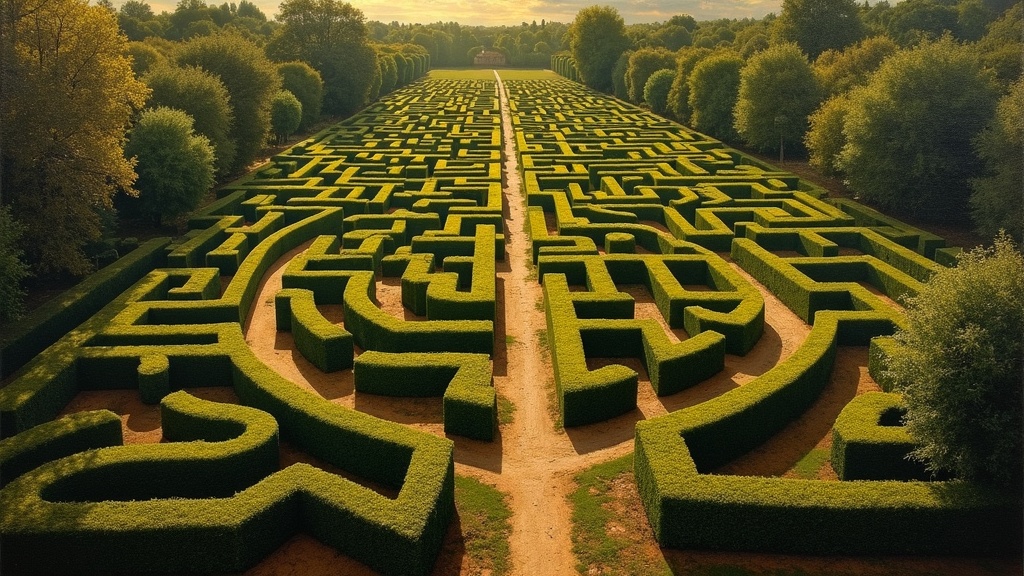
High Artistic Interests + Low Self-Discipline: The Inspired but Inconsistent Creative
You have incredible taste. You can spot a well-designed object from across a room. You are moved by art in ways that feel physical. You have a dozen creative projects that excite you. And you have finished almost none of them.
This is the signature of high Artistic Interests combined with low Self-Discipline, a personality pairing that produces some of the most creatively gifted and consistently frustrated people you will ever meet.
Understanding the Facets
Artistic Interests is a facet of Openness to Experience. High scorers experience genuine emotional responses to beauty, art, music, and aesthetic experiences of all kinds. This is not performative appreciation. It is a deep sensitivity to form, color, sound, and composition that shapes their daily experience.
Self-Discipline is a facet of Conscientiousness. It measures your ability to persist at tasks until completion, to resist distractions, and to push through when motivation fades. Low scorers find it genuinely difficult to maintain effort when the initial excitement wears off.
The Cycle
People with this combination tend to live in a repeating cycle that goes something like this:
Phase 1: Inspiration. You encounter something beautiful. A photograph, a building, a piece of music. It sparks an idea. You can see exactly what you want to create. The vision is vivid, specific, and exciting.
Phase 2: The Burst. You start. The first hours are electric. Ideas flow. You work with an intensity that would impress anyone watching. This phase might last an afternoon, a weekend, or a week, depending on the project.
Phase 3: The Wall. The initial inspiration fades. The work becomes work. The gap between the vision in your head and the reality on the page or canvas or screen becomes painfully visible. Every imperfection is magnified. The project starts to feel heavy.
Phase 4: The New Idea. Something else catches your eye. A different project, a different medium, a different direction. It glitters with the promise of fresh inspiration. You tell yourself you will come back to the first project later. You almost never do.
Research on self-regulation (Baumeister & Vohs, 2007) helps explain why this cycle feels so difficult to break. Self-discipline functions somewhat like a muscle: it fatigues with use and is harder to deploy when the task lacks intrinsic reward. For someone with high Artistic Interests, the early stages of creative work are intrinsically rewarding. The later stages, the revision, the polishing, the tedious finishing, are not. And that is exactly where low Self-Discipline makes itself felt.
The Graveyard of Almost
People with this combination often accumulate what might be called a graveyard of almost-finished projects. Canvases with promising underpaintings. Novels with strong opening chapters. Design mockups that are 80% there. Playlists of original recordings that need just a little more work.
Each one represents a moment when your artistic sensibility saw something worth pursuing and your self-discipline could not carry it across the finish line. The collection grows over years, and it can become a source of genuine pain.
The frustration is compounded by the fact that you can see how good the work could be. Your aesthetic sensitivity is strong enough to imagine the finished piece. You know what it would take. You just cannot make yourself do it.
The 80% Problem
Psychologists who study creative productivity note that the last 20% of any project typically takes a disproportionate amount of effort (the Pareto principle in practice). For someone with high self-discipline, this is uncomfortable but manageable. For someone with low self-discipline and high artistic standards, it is where projects go to die.
The finishing work is rarely the exciting part. It is editing, refining, fixing small details, solving technical problems that lack creative satisfaction. It requires exactly the kind of sustained, unglamorous effort that your personality finds most aversive.
Real-World Patterns
The Multi-Medium Wanderer
People with this combination often move between creative media rather than deepening in one. You paint for a while, then move to photography, then to writing, then to ceramics. Each new medium offers the thrill of beginner's exploration combined with aesthetic richness.
This is not necessarily a problem. Renaissance thinkers worked across media. Many creative innovators were polymaths. But for you, the pattern is often driven less by genuine curiosity across fields and more by the need for the fresh excitement that compensates for low self-discipline.
Social Media as Substitute
A modern expression of this combination is the person who engages deeply with creative content online without producing their own. You curate Pinterest boards with thousands of beautifully chosen pins. You follow artists and designers whose work you study carefully. You build aesthetic worlds in your consumption habits that are genuinely sophisticated.
But consumption is easier than creation because it requires no self-discipline. The danger is that it becomes a permanent substitute, satisfying the aesthetic need without ever testing the creative one.
The Professional Gap
In creative professions, this combination often creates a specific career pattern. You get hired based on strong aesthetic instincts and exciting initial ideas. You struggle when the job requires sustained execution on a single project over months. You shine in brainstorming sessions and pitch meetings. You falter during the implementation phase.
This can lead to a frustrating career trajectory where your talent is recognized but your reliability is questioned.
What Actually Works
Shrink the Project
The single most effective strategy for someone with this combination is to radically reduce the scope of projects. Instead of a novel, write a short story. Instead of a full painting, do a small study. Instead of a complete album, finish one song.
Finishing small projects builds a track record of completion that is psychologically powerful. Research on self-efficacy (Bandura, 1997) shows that the experience of completing something, regardless of its size, increases your belief in your ability to complete the next thing.
Use Deadlines That Are Not Yours
Low self-discipline means your internal deadlines have no teeth. External deadlines from other people do. Sign up for a class with assignments. Join a group that meets weekly to share work. Enter a contest with a submission date. The social pressure creates a substitute for the internal pressure you lack.
Separate Inspiration From Execution
When a new idea strikes, do not start it immediately. Write it down. Describe it in detail. Capture the vision. Then go back to the project you are already working on. Many new ideas look less exciting twenty-four hours later, and the project you are already invested in has lost less momentum.
Accept the Loss Rate
Not every project needs to be finished. Give yourself permission to abandon work that genuinely is not going anywhere. The problem is not that you leave things incomplete. It is when you leave things incomplete compulsively, when nothing ever gets across the line.
Aim for a ratio. If you start ten projects, finish three. That is a success rate most working artists would envy.
The Hidden Strength
Despite the frustration, this combination has a genuine upside. Your willingness to start new things means you explore more creative territory than disciplined people do. Your aesthetic sensitivity means the ideas you generate are often better than average. And your resistance to grinding through uninspired work means you rarely produce something lifeless.
The work you do finish, when you finish it, tends to be genuinely good. It has the energy of authentic inspiration rather than the flatness of dutiful completion. That matters more than most people realize.
Curious about your Artistic Interests and Self-Discipline scores? Take the free Big Five personality quiz at Inkli and see where you fall on all 30 personality facets.